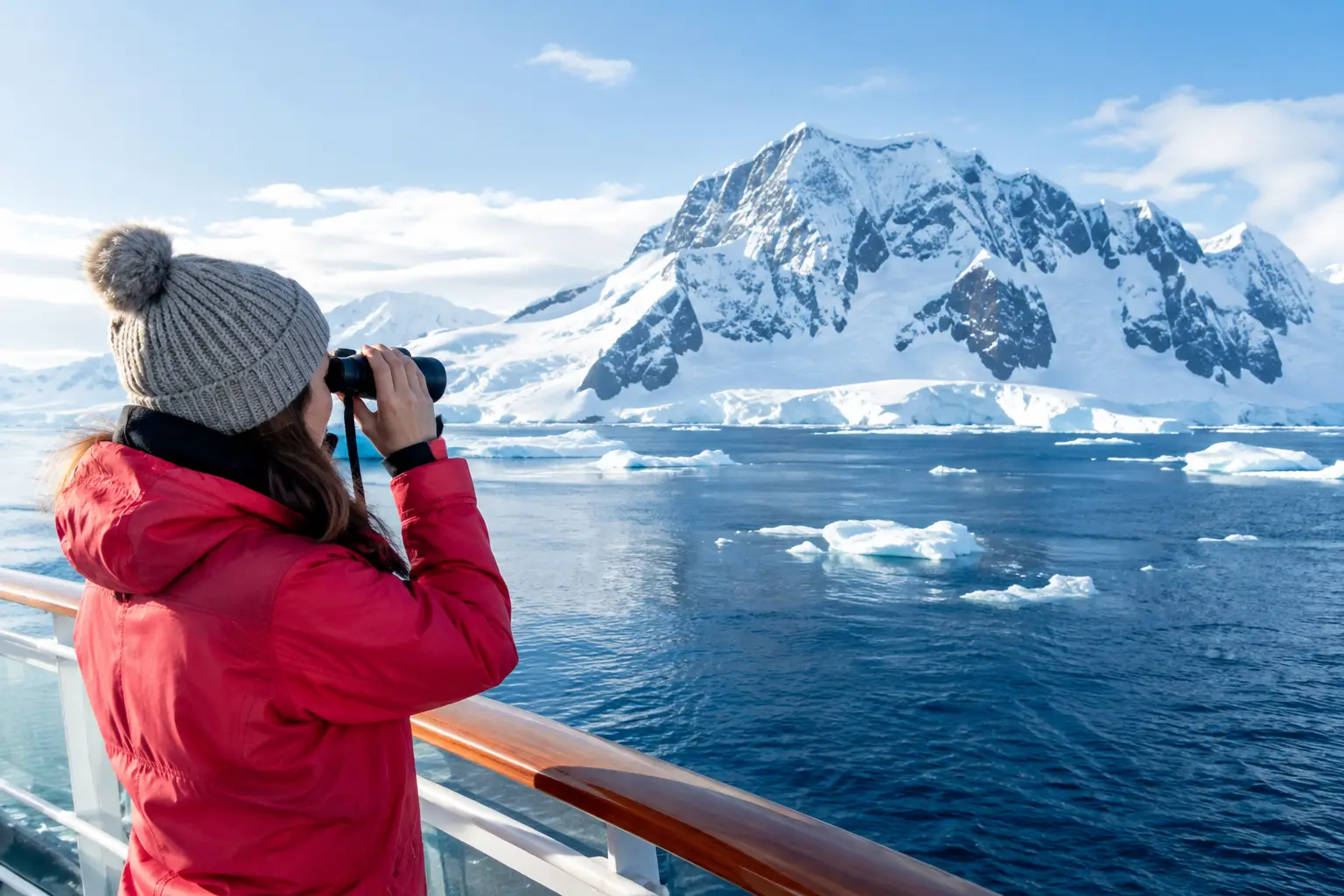
The first time an iceberg rises beside a small expedition vessel, its scale can be difficult to comprehend. It is not simply scenery. It is a living piece of a remote ecosystem, shaped by wind, current, and centuries of ice. The ultimate guide to polar expeditions begins with that distinction: these journeys are not conventional cruises with a dramatic backdrop. They are carefully orchestrated opportunities to enter some of the planet’s most extraordinary wild places with humility, comfort, and expert guidance.
For well-traveled guests, the appeal is rarely about checking off a continent or crossing the Arctic Circle. It is about standing quietly among king penguins in South Georgia, watching a polar bear move across sea ice in Svalbard, or hearing the deep crack of a glacier from a Zodiac. The right journey balances genuine access to those moments with the thoughtful details that make remote travel feel effortless.
What Makes a Polar Expedition Different?
An expedition voyage is designed around conditions rather than a fixed entertainment schedule. Weather, wind, ice, and wildlife determine each day’s possibilities. A planned landing may shift to a protected cove. A captain may alter course when whales are spotted. This flexibility is not a compromise. It is the essential character of authentic polar travel.
Most voyages use ice-strengthened small ships carrying roughly 100 to 200 guests, although capacities vary. Their size allows for Zodiac landings, small-group shore excursions, and access to channels or anchorages larger ships cannot reach. On board, naturalists, historians, glaciologists, marine biologists, photographers, and polar guides turn each sighting into a deeper story.
Luxury in this setting has a different meaning than it does on a large resort ship. It can mean a warm towel and excellent meal after a wet landing, an inviting suite in which to watch passing ice, an unhurried conversation with a scientist, and a crew that knows how to make complex logistics feel calm. The finest expedition ships pair refined accommodations with a serious commitment to safety, education, and responsible exploration.
Antarctica or the Arctic: Which Journey Is Right for You?
Antarctica and the Arctic share dramatic ice, immense silence, and remarkable wildlife, but they offer distinctly different experiences. Choosing between them comes down to what you hope to feel, see, and learn.
Antarctica: Immensity, Penguins, and Pristine Wilderness
Antarctica feels elemental. The Antarctic Peninsula offers towering ice formations, dense penguin colonies, seals resting on ice floes, and frequent whale encounters during the austral summer. Many guests travel from Ushuaia, Argentina, crossing the Drake Passage before arriving in the white-and-blue world of the Peninsula.
The Drake is part of the experience, but it deserves an honest conversation. It can be smooth, and it can be famously rough. Travelers who prefer to avoid the crossing may choose a fly-cruise option, flying between Chile and Antarctica before joining their vessel. This saves time and reduces exposure to open-ocean conditions, though it can involve stricter baggage limits and weather-related schedule adjustments.
For a more expansive Antarctica journey, consider the Falkland Islands and South Georgia. These longer voyages reward travelers with extraordinary birdlife, British maritime history, and some of the world’s most spectacular king penguin colonies. The Ross Sea, reached from New Zealand, is a rarer and more ambitious voyage, appealing to those drawn to the Heroic Age of Antarctic exploration and dramatic, seldom-visited landscapes.
The Arctic: Wildlife, Culture, and a Changing World
The Arctic is not a continent but a vast region spanning several countries and territories. It can feel more culturally layered than Antarctica, with Indigenous communities, historic settlements, and a visible connection between people and the polar environment.
Svalbard, Norway, is a leading choice for first-time Arctic travelers. Its summer season brings midnight sun, walrus haul-outs, seabird cliffs, glaciers, and the possibility of polar bears. Wildlife sightings can never be guaranteed, but expert spotters and a nimble ship offer the best chance of meaningful encounters conducted at a respectful distance.
Greenland adds monumental fjords, colorful coastal villages, and opportunities to learn about Inuit traditions. The Canadian Arctic can be particularly compelling for travelers interested in Northwest Passage history, remote landscapes, and cultural interpretation. Arctic voyages often involve more varied terrain and human history than Antarctica, while Antarctica generally offers greater concentrations of penguins and a more otherworldly sense of isolation.
Choosing the Right Ship and Itinerary
The most beautiful suite is not enough if the ship’s expedition operation is weak. When evaluating a voyage, look beyond cabin category and ask how the experience works ashore. How many guests are assigned to each Zodiac? How experienced is the expedition team? Are kayaking, hiking, snowshoeing, or photography programs included or limited? Does the vessel have a strong record of operating in the specific region you wish to visit?
A ship of fewer than 200 guests is often ideal for travelers who prioritize frequent landings and an intimate atmosphere. In Antarctica, vessels carrying 100 guests or fewer can generally land everyone at once under international visitor guidelines. Slightly larger ships can still offer an excellent experience, but guests may rotate through activities or landing groups.
Itinerary length matters as much as ship selection. An eight- to 10-night Antarctic Peninsula voyage is a rewarding introduction, yet a 14-night itinerary offers more breathing room for weather and more time in the landscape. In the Arctic, a week in Svalbard can be exceptional, while longer Greenland or Canadian Arctic itineraries provide a more layered perspective. The best choice is rarely the itinerary with the most ports. It is the one with enough time to let the destination set the pace.
When to Go and What You May See
Polar travel is intensely seasonal. Antarctica operates primarily from November through March. Early-season voyages often bring pristine snow, courtship rituals, and dramatic ice. December and January offer long daylight hours and active penguin colonies. February and March can be especially rewarding for whales and young penguins, with softer late-season light for photographers.
The Arctic season typically runs from late spring through early fall, depending on the destination. June and July may feature abundant birdlife and lingering sea ice, while August can offer greater access into fjords and waterways as ice recedes. In parts of the Canadian Arctic and Greenland, later summer may bring richer fall colors and different wildlife patterns.
Nature does not perform on command. A thoughtful traveler arrives with priorities, not a rigid checklist. Seeing a polar bear or a breaching whale is unforgettable, but a voyage should be worthwhile even when the most sought-after animal remains out of view. The lasting magic often comes from unscripted moments: a leopard seal gliding beneath a Zodiac, the stillness of a midnight shoreline, or a guide pointing out tiny life thriving in a harsh environment.
Preparing for Comfort in a Demanding Climate
Polar expedition ships provide much of the technical gear needed for landings, typically including waterproof boots and an expedition parka. Personal packing should focus on adaptable layers rather than bulky clothing. Conditions can change quickly, and comfort makes it easier to stay present.
Bring a waterproof outer layer, insulating midlayers, moisture-wicking base layers, warm gloves with a backup pair, a hat that covers the ears, polarized sunglasses, and a small dry bag for camera equipment. A good pair of binoculars is one of the most rewarding items you can carry, especially in the Arctic where wildlife may be viewed from a greater distance.
Physical preparation matters, though travelers do not need to be elite athletes. Zodiac boarding requires balance and the ability to step from a moving boat onto a shoreline or dock with assistance. Some landings involve uneven ground, snow, or a short uphill walk. Guests with mobility concerns should discuss them openly before selecting a ship and itinerary. Certain vessels and programs are better equipped than others to accommodate varying needs without diminishing the experience.
Sea sickness is another practical consideration, particularly for Antarctica. Modern ships have stabilization systems, but no vessel can eliminate motion entirely. Consult your physician about prevention options well before departure, and consider a fly-cruise if the Drake Passage feels like a meaningful concern.
Why Expert Planning Changes the Experience
A polar voyage contains more moving pieces than most vacations: international flights, pre-cruise hotels, charter transfers, baggage requirements, medical considerations, insurance, gear, and weather contingencies. The difference between a good expedition and an exceptional one often lies in the details arranged around the sailing itself.
A personalized planning process begins with the questions that brochures cannot answer. Do you want active kayaking and long hikes, or a more relaxed pace with excellent onboard lectures? Is photography central to the trip? Would you rather prioritize wildlife, polar history, cultural connections, or a particular level of onboard refinement? Are you combining the expedition with Patagonia, Buenos Aires, Iceland, Norway, or another meaningful stop?
At Dream Vacations – Matt Boshcka, those answers shape the voyage from the first conversation. The goal is not simply to reserve a cabin, but to select the right vessel, pacing, accommodations, and pre- or post-expedition experiences for the way you travel. In remote regions, meticulous preparation provides a rare luxury: the freedom to focus completely on the wonder in front of you.
Travel With Respect for the Place
Polar regions are profoundly vulnerable, and the privilege of visiting them comes with responsibility. Follow your expedition team’s biosecurity procedures, keep appropriate distance from wildlife, remain on designated paths, and never leave anything behind. The best operators support rigorous environmental standards, use experienced field teams, and treat education as part of the journey rather than an optional extra.
Bring curiosity, patience, and a willingness to let the wild set the agenda. In a world where so much is scheduled to the minute, a polar expedition offers something increasingly rare: the chance to be fully attentive when the extraordinary appears.
Leave a Reply