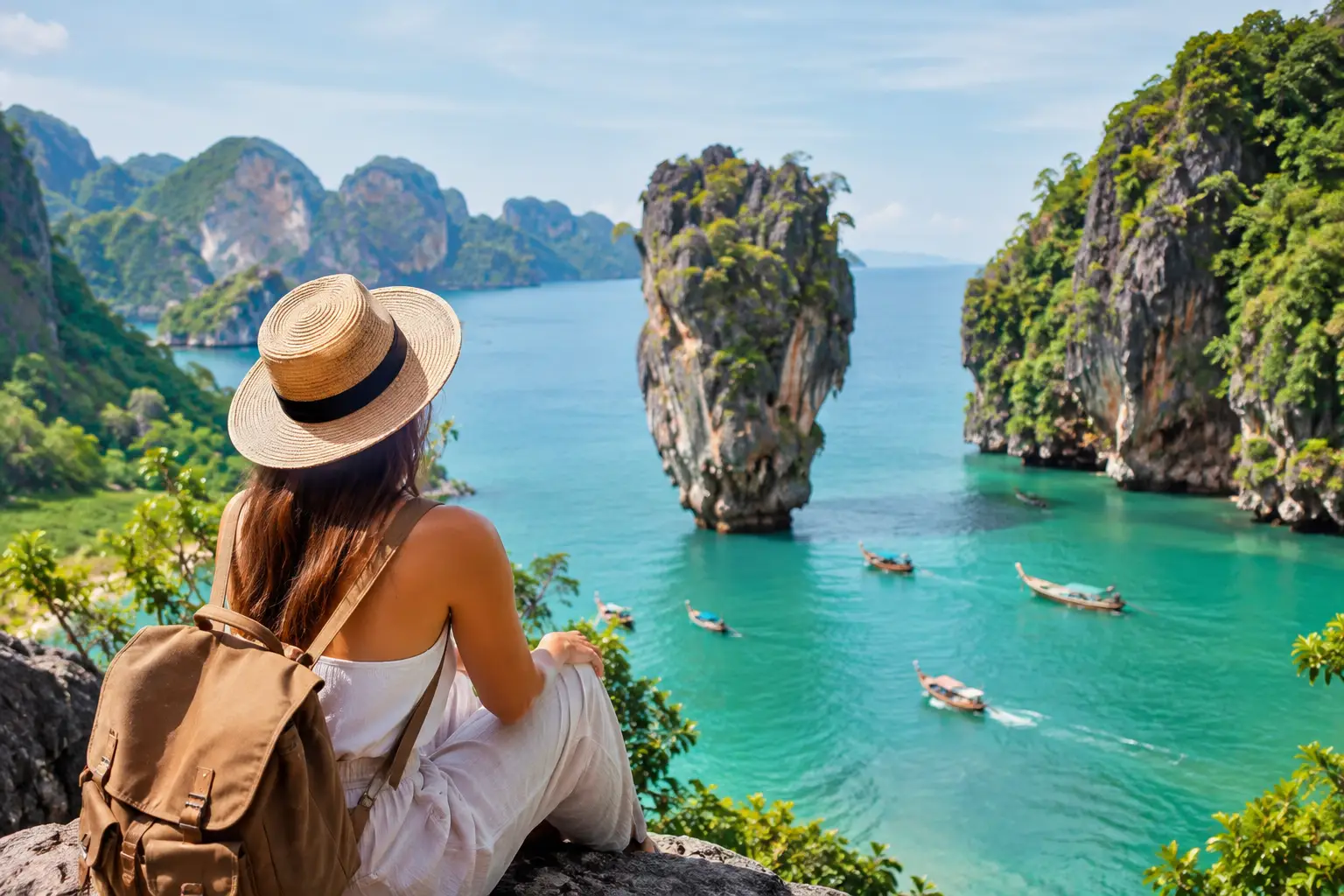
Before sunrise in Luang Prabang, saffron-robed monks move quietly along streets scented with frangipani and wood smoke. On the Mekong, life begins at the riverbank. In Cambodia, a private guide can lead you through Angkor before the heat and crowds arrive. These are the moments that make Southeast Asia destinations so compelling: not a checklist of famous sights, but a region best experienced through its rituals, landscapes, flavors, and people.
For travelers who have already seen much of the world, Southeast Asia offers a rare breadth of experience within one journey. Ancient kingdoms, sophisticated cities, jungle lodges, revered temples, and extraordinary coastlines can be connected with purpose. The difference lies in pacing the itinerary well and making room for the encounters that cannot be replicated at home.
Southeast Asia Destinations for Meaningful Travel
Luang Prabang, Laos
Luang Prabang has a calm confidence that rewards unhurried travelers. Its French-influenced villas, gilded wats, and morning alms ceremony create a setting that feels intimate rather than theatrical when approached respectfully. A thoughtfully arranged visit might include a private exploration of the old quarter, a conversation with a local artisan, and a cruise upstream to the Pak Ou Caves.
The appeal is not relentless activity. It is the pleasure of slowing down at a beautiful riverside property, dining on Lao cuisine prepared with produce from nearby farms, and watching daily life unfold along the Mekong. Luang Prabang pairs especially well with northern Thailand or Vietnam for those who value culture and atmosphere over a packed schedule.
Siem Reap and Angkor, Cambodia
Angkor deserves more than a single sunrise photograph. With an expert guide and a carefully planned route, the temple complex becomes an extraordinary lens on Khmer history, artistry, and spiritual life. Begin early at Angkor Wat, then move beyond the better-known monuments to quieter sites where carved doorways and tree roots hold the imagination.
Siem Reap also offers a rewarding contemporary side. Its culinary scene is increasingly refined, local social enterprises offer meaningful ways to meet makers and artists, and the surrounding countryside reveals a different rhythm of Cambodian life. A private cooking experience, a visit to an artisan workshop, or an evening performance rooted in Cambodian dance can add depth without feeling staged.
Hanoi and Ha Long Bay, Vietnam
Hanoi is exhilarating in a way few Asian capitals are. The city asks you to pay attention: to the choreography of motorbikes, the aroma of broth simmering on a sidewalk, the quiet of a temple courtyard behind a busy street. A knowledgeable guide brings order and context to its layers of French colonial architecture, Vietnamese history, and exceptional food culture.
From Hanoi, an overnight voyage through Ha Long Bay or the less-traveled Lan Ha Bay offers a graceful contrast. The finest small vessels provide spacious cabins, attentive service, and the chance to see limestone karsts in the softer light of morning and late afternoon. The trade-off is that popular sections of the bay can feel busy. Choosing the right vessel, route, and sailing date matters considerably.
Hoi An, Vietnam
For a more relaxed Vietnamese interlude, Hoi An is hard to surpass. Lanterns reflected on the Thu Bon River are undeniably beautiful, but the town’s real charm comes through personal experiences: a market visit with a chef, a bicycle ride through rice fields, or a visit to a family-run workshop that has practiced the same craft for generations.
The historic center can be crowded in the evening, particularly during peak travel periods. Staying just outside town at a refined resort or private villa creates welcome breathing room, while still keeping Hoi An’s old streets and coastal scenery within easy reach. It is an excellent choice for couples who want culture without sacrificing restorative time.
Chiang Mai and Northern Thailand
Northern Thailand offers a more textured alternative to a purely beach-focused Thai itinerary. Chiang Mai’s temples, markets, and celebrated food scene reward a private, locally led exploration. Beyond the city, the foothills invite visits to tea estates, forest walks, and community-based experiences designed with care and respect.
Animal encounters require particular discernment. Ethical elephant sanctuaries prioritize observation and welfare, not riding or forced interaction. The right experience can be deeply moving, especially when it is part of a broader introduction to the region’s conservation and cultural traditions.
Bangkok, Thailand
Bangkok is best approached with a plan and an appetite. Its grandeur is found in the Grand Palace and riverfront temples, but also in a long-tail boat journey through lesser-known canals, a chef-led exploration of neighborhood food stalls, and a table at one of the city’s inventive restaurants.
A luxury hotel along the Chao Phraya River provides both a sense of place and a welcome retreat from the city’s energy. Two or three nights is usually enough for a first visit, though travelers with an interest in food, design, or contemporary Asian culture may happily stay longer. Bangkok connects naturally with Chiang Mai, the islands, Cambodia, or a river voyage into Laos.
Bali and the Indonesian Islands
Bali remains one of Southeast Asia’s most evocative destinations when the itinerary moves beyond its busiest districts. In Ubud, temple ceremonies, rice terraces, wellness traditions, and an accomplished dining scene can be woven into an immersive stay. Along quieter stretches of the coast, elegant resorts offer space to rest between cultural discoveries.
For travelers seeking greater remoteness, Indonesia’s eastern islands change the story entirely. A private or small-ship voyage through Komodo National Park can bring you close to dramatic volcanic landscapes, remarkable snorkeling, and the famous Komodo dragon. These journeys are weather-dependent and require a willingness to embrace a little adventure, but the rewards are substantial.
Borneo, Malaysia
Borneo is for travelers drawn to wild places and conservation stories. In Malaysian Borneo, carefully selected rainforest lodges offer opportunities to search for orangutans, proboscis monkeys, hornbills, and pygmy elephants with skilled naturalists. The experience is not a guaranteed wildlife spectacle on demand, which is precisely what makes sightings feel so significant.
Comfort in the rainforest differs from comfort in Singapore or Bangkok. The best lodges are welcoming and well run, yet humidity, insects, and early starts are part of the setting. For the right traveler, the privilege of waking to a living forest is more memorable than any conventional resort experience.
Singapore
Singapore is an ideal gateway or finale, particularly for travelers who appreciate exceptional hotels, architecture, gardens, and serious cuisine. Its polish is immediate, but it is not without soul. A private food-focused walk through hawker centers, a visit to Peranakan neighborhoods, and time in the city’s striking gardens reveal its layered identity.
Two nights can provide a satisfying introduction; three allow space for museums and a more relaxed pace. Singapore also works beautifully as a transition after a jungle, river, or island journey, when a fine meal and a refined hotel suite are especially welcome.
Palawan, Philippines
Palawan brings a different kind of luxury: clear water, limestone cliffs, hidden coves, and the sensation of being far from ordinary life. Around El Nido and Coron, private boat excursions can be tailored around swimming, snorkeling, beach picnics, and quieter anchorages. Select properties provide the service and privacy discerning travelers expect while preserving the natural focus of the experience.
Getting there can involve additional flights and variable sea conditions, so Palawan is best given enough time to justify the journey. It is a superb final chapter for an itinerary that has already included the region’s cities and cultural centers.
Designing a Southeast Asia Journey That Feels Personal
The most satisfying Southeast Asia itinerary is rarely the one with the most countries. For most travelers, two or three destinations over two to three weeks creates a more rewarding rhythm than trying to cross the entire region at speed. Consider a culturally rich pairing such as Hanoi, Hoi An, and Siem Reap, or contrast Bangkok and Chiang Mai with a private Indonesian island voyage.
Seasonality deserves close attention. November through February is often favored for cooler, drier conditions in much of mainland Southeast Asia, but it is also a popular period. Indonesia and parts of the Philippines follow different weather patterns, while monsoon season can bring lush landscapes, fewer visitors, and occasional logistical disruption. There is no universally perfect month, only the best match for your priorities.
This is also a region where details shape the experience. The right local guide can turn a temple visit into a conversation about living faith. A well-located hotel can save hours of transit. Private transfers, carefully timed flights, and trusted on-the-ground partners provide the ease that allows travelers to remain present rather than manage logistics. At Dream Vacations – Matt Boshcka, these choices are made around your interests, preferred pace, and definition of meaningful luxury.
The finest journeys through Southeast Asia leave room for the unexpected: an invitation to taste a family recipe, a sudden break in the clouds over a jungle canopy, or a quiet river morning that becomes the memory you speak about most. Give the region time, and it will give you far more than a vacation.
Leave a Reply