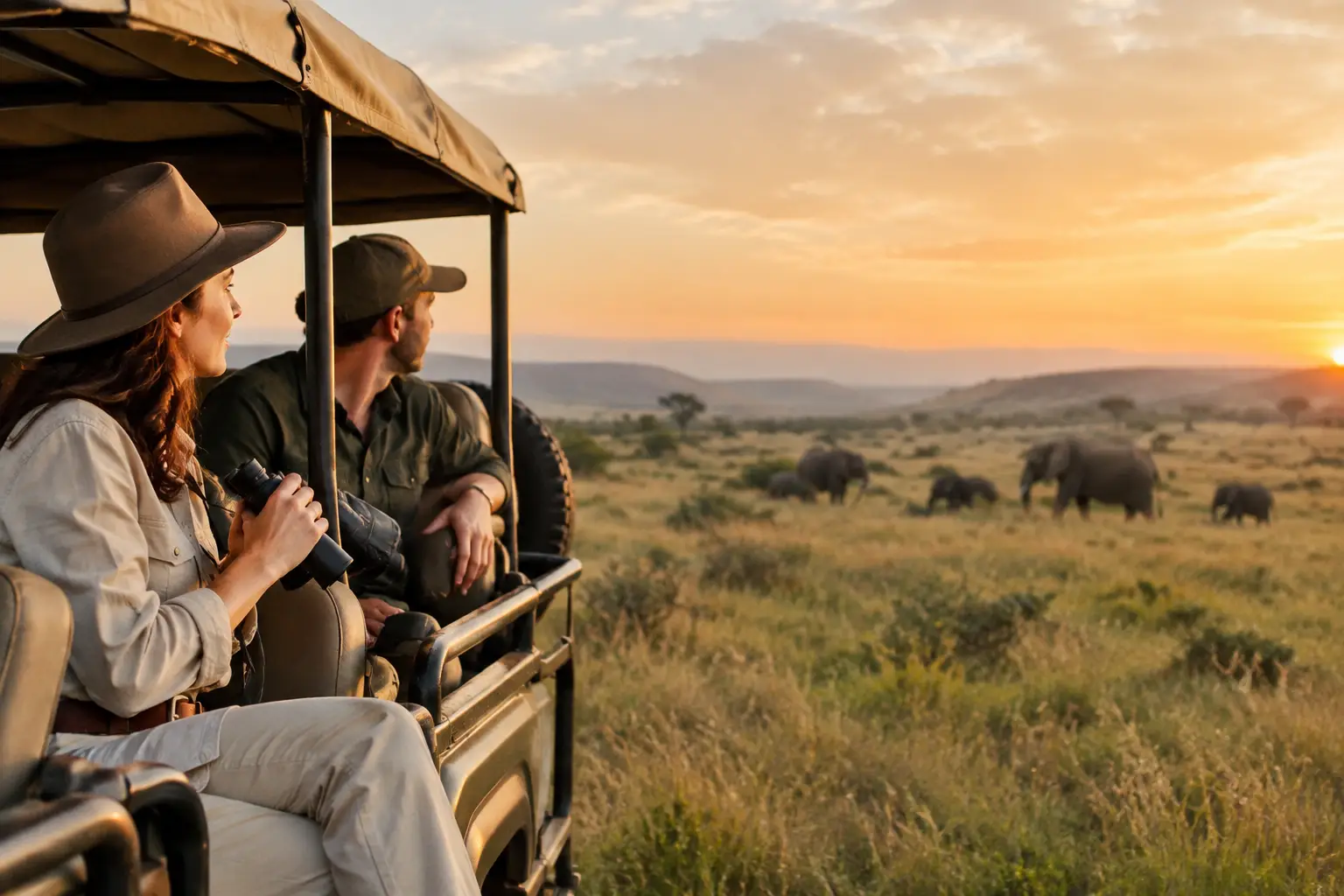
A leopard stepping silently through golden grass. Coffee delivered to your suite as elephants gather at a nearby waterhole. An expert guide who knows when to wait, where to look, and how to turn a wildlife sighting into a story you will carry home. These are the moments travelers imagine when they ask, “how much does a luxury safari cost?” The honest answer is that a truly exceptional safari is not a single product with a fixed price. It is a carefully composed journey, and its cost reflects the places, people, access, and level of care behind every day.
For most discerning travelers, a well-designed luxury African safari begins around $1,500 to $2,500 per person, per night on the ground. At the highest level – including exclusive-use villas, private guides and vehicles, peak migration dates, or remote wilderness camps – it can reach $3,500 to $6,000 or more per person, per night. International flights, internal flights, gratuities, travel insurance, and select private experiences may be additional.
A 10-night luxury safari for two commonly falls in the range of $35,000 to $70,000 before international airfare. An ambitious, highly private journey across several countries can exceed $100,000. Those numbers are meaningful, but they become far more useful when you understand what they create.
How Much Does a Luxury Safari Cost by Style?
The largest distinction is between a classic luxury safari and a fully private, tailor-made expedition. Both can be extraordinary. The right choice depends on how you like to travel, how much privacy you value, and which experiences matter most to you.
A refined luxury lodge safari may include beautifully designed tented camps or lodges, twice-daily game drives, highly trained guides, chef-prepared meals, local beverages, laundry, and transfers between camps. In destinations such as South Africa, Botswana, Tanzania, Kenya, Zambia, and Zimbabwe, many premier properties are intentionally intimate, often with fewer than 20 suites. That small scale is part of the appeal, but it also limits availability.
A more exclusive itinerary might add a private vehicle and guide throughout, suites with plunge pools, private dining in the bush, scenic helicopter transfers, conservation-focused encounters, or exclusive use of a camp or villa. For couples celebrating a milestone, multigenerational families, or travelers who prefer to set their own rhythm, these details can transform the experience. They also change the budget significantly.
The value is not simply in a larger suite. It is in the freedom to linger with a leopard and her cubs, return to camp later after an extraordinary morning, or build a day around photography, birding, cultural connection, or pure unhurried solitude.
What Shapes the Price of a Luxury Safari?
Destination and remoteness
Safari costs vary greatly by country and region. South Africa can offer excellent value, particularly when combining a private reserve near Kruger with Cape Town and the winelands. It has strong infrastructure, superb lodges, and fewer costly light-aircraft transfers in many itineraries.
Botswana is often priced higher because its model prioritizes low-impact, low-density tourism. Many camps sit in wonderfully remote concessions of the Okavango Delta or Kalahari, reached by small aircraft. The reward is space, privacy, exceptional guiding, and wildlife encounters shared with very few other vehicles.
Tanzania and Kenya offer iconic landscapes and the drama of the Great Migration, but timing matters enormously. Mobile camps positioned near the migration can be among the most evocative ways to experience East Africa. Rwanda and Uganda command their own premium for gorilla trekking permits, specialized logistics, and the rarity of time spent with mountain gorillas.
Season and availability
Safari seasons are not simply “good” or “bad.” They determine the kind of experience you will have. Peak periods, including the East African migration months, the dry season in southern Africa, and holiday travel, bring higher rates and earlier sellouts. The most sought-after camps may need to be reserved a year or more in advance.
Green season travel can offer a different kind of luxury: dramatic skies, lush landscapes, newborn animals, fewer visitors, and often more favorable pricing. There can be rain, and wildlife may be more dispersed, but a thoughtful itinerary can make this an inspired choice for travelers who appreciate photography, birdlife, and a quieter sense of place.
Camp caliber and inclusions
Luxury safari rates often look high until you consider what is usually included. Unlike a city hotel, a remote safari camp must provide accommodation, meals, guiding, safari vehicles, staff housing, conservation fees, logistics, and sometimes aviation support in an isolated setting.
At many top camps, your rate includes gourmet meals, house beverages, laundry, scheduled game drives, guide services, and park or concession fees. Others price these elements separately. Comparing nightly rates without comparing inclusions can be misleading, especially across countries and camps.
A trusted advisor will clarify the full picture before you commit: what is included, what is not, where internal flights are required, and where a higher rate genuinely delivers a better experience versus a more elaborate version of something you may not need.
Private access and guiding
Guiding is one of the most consequential investments on safari. A superb guide does far more than find animals. They interpret behavior, read the landscape, anticipate movement, and shape the pace of every day around your interests. In the best private reserves and concessions, guides may travel off-road where permitted, conduct night drives, and lead walking safaris, offering perspectives unavailable in national parks with more restrictive rules.
A private vehicle is especially worthwhile for photographers, families, travelers with specific wildlife interests, or anyone who dislikes negotiating a schedule with other guests. It can add substantially to the cost, but it replaces compromise with flexibility – a luxury that often matters more than another square foot of suite space.
A Realistic Budget for a Tailor-Made Safari
For a first luxury safari of seven to 10 nights, many couples allocate $40,000 to $60,000, excluding international business-class airfare. This can support a thoughtfully paced itinerary with premier camps, internal flights, excellent guiding, and a mix of landscapes or countries.
Travelers who want a 12- to 16-night journey across multiple regions – perhaps Cape Town, the Okavango Delta, Victoria Falls, and the Serengeti – should expect a larger investment. The itinerary involves more internal aviation and a greater range of camp experiences, but it can also create a richer narrative: city, culture, wilderness, water, and wide-open savanna in one seamless journey.
There are sensible ways to direct your budget without diminishing the experience. Splitting a trip between one exceptional flagship camp and one slightly more modest but characterful camp can work beautifully. Traveling just outside the most intense peak dates may improve value. Choosing a destination with easier logistics can free funds for a private vehicle, a longer stay, or an additional experience that feels personally meaningful.
What is rarely wise is moving every two nights to see more places. Safari rewards time. Three nights in one camp gives you time to settle in, learn the rhythms of the area, and allow wildlife encounters to unfold naturally rather than treating them as a checklist.
Costs Travelers Should Plan for Separately
Even the most inclusive safari has a few items that deserve attention in the planning stage. International airfare can vary widely by departure city and cabin class. Light-aircraft flights between camps are often essential in remote regions and should be included in your working budget from the beginning.
Gratuities, premium wines and spirits, spa treatments, private charter flights, and certain specialty activities may also be additional. Gorilla trekking permits are a major component of a Rwanda or Uganda itinerary. Comprehensive travel insurance and medical evacuation coverage are not glamorous line items, but they are essential safeguards for a journey of this scale and remoteness.
The goal is not to eliminate every extra. It is to avoid surprises and ensure that your investment is directed toward the experiences you will value most.
The Best Safari Is Not Necessarily the Most Expensive One
A remarkable safari is built around fit. A wildlife photographer may find the greatest value in a private guide and vehicle in Botswana. A couple marking an anniversary may prefer a secluded tented camp in the Serengeti, where candlelit dinners and migration sightings feel intimate rather than orchestrated. A family may prioritize a private villa with a dedicated team and flexible meal times.
This is why personalized planning matters. The most expensive camp is not automatically the most meaningful choice, and an itinerary that looks impressive on paper can feel exhausting if it does not reflect your pace and priorities. At Dream Vacations – Matt Boshcka, the planning conversation begins with the experience you hope to have, then builds an itinerary and investment level that support it with confidence.
A luxury safari asks you to invest in time away from the ordinary: mornings shaped by birdsong, evenings under unfamiliar constellations, and encounters with wild places that shift your sense of scale. When the journey is designed around what matters to you, the question becomes less about the nightly rate and more about the memory waiting on the other side of the horizon.
Leave a Reply