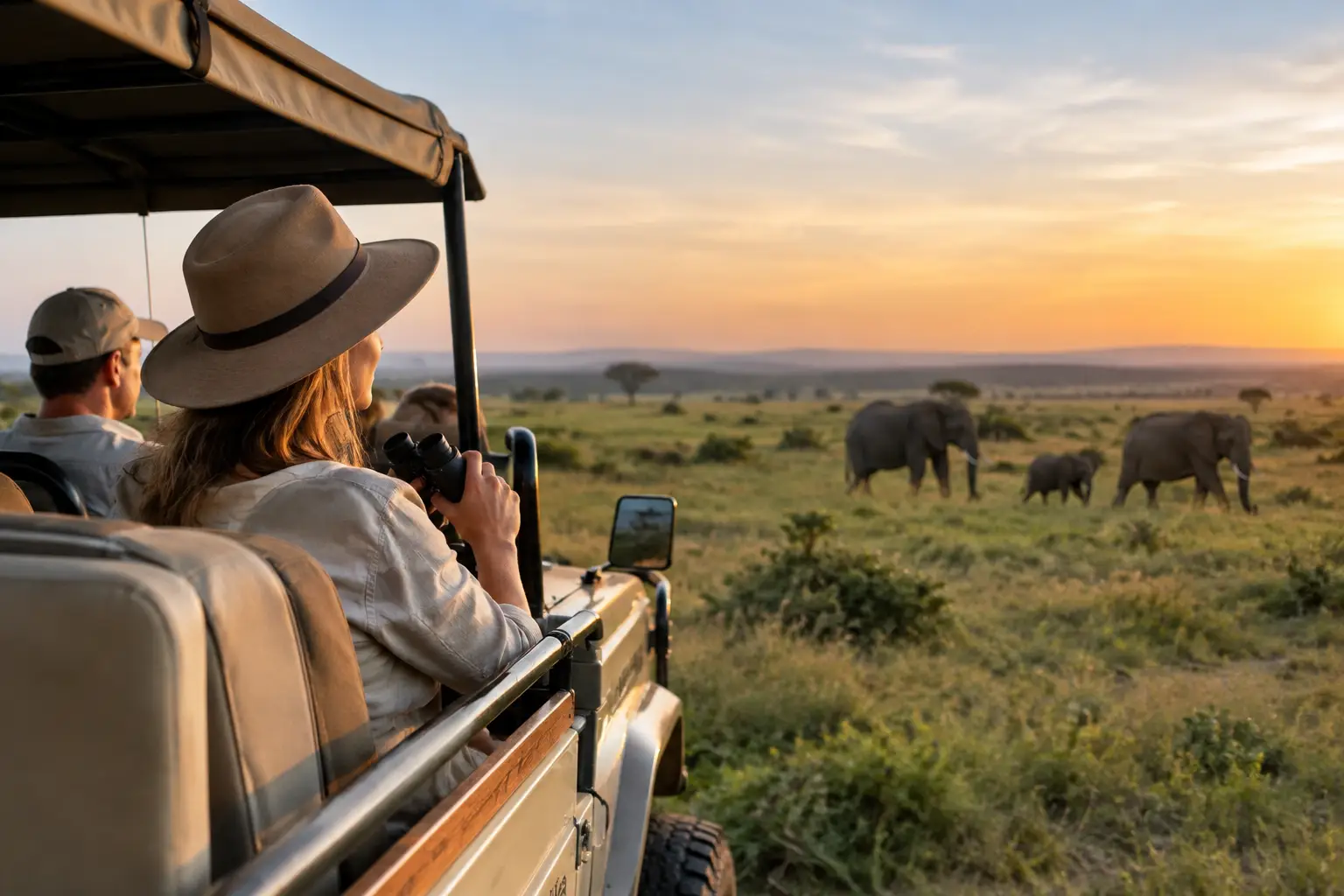
The moment a leopard steps from the tall grass at dusk, the question is no longer whether Africa is beautiful. It is whether the journey has been designed well enough to let you be fully present for it. Micato luxury African safaris appeal to travelers who want that confidence: exceptional guides, considered lodges, attentive logistics, and an itinerary that feels personal rather than prepackaged.
For well-traveled couples, families celebrating a milestone, and second-honeymoon travelers, Micato has long been a recognized name in high-end African travel. Yet a respected safari operator is not automatically the right fit for every traveler. The value lies in understanding what the experience emphasizes, where it excels, and how to tailor it around the wildlife, pace, and personal interests that matter most to you.
What Defines Micato Luxury African Safaris?
A luxury safari is not defined solely by a beautiful tented camp or a chilled glass of wine after a game drive. Those details matter, but the enduring difference is orchestration. On a well-designed Micato journey, the days are shaped around prime wildlife viewing, knowledgeable interpretation, gracious hospitality, and thoughtful transitions between regions.
Micato is particularly known for its high-touch approach. That can include experienced safari directors, carefully selected accommodations, private or small-group touring options, and attention to the details that often cause anxiety on a complex international trip. Africa rewards travelers who plan thoughtfully. Flights, luggage restrictions on light aircraft, regional park rules, seasonal road conditions, and the rhythm of early morning and late afternoon game drives all influence the experience.
The company also places meaningful emphasis on community engagement through its philanthropic work in Kenya. For many travelers, this adds depth to a safari. Seeing wildlife in protected landscapes is powerful; understanding the people, schools, and communities connected to those landscapes can make the journey more dimensional. Still, the right level of cultural engagement is personal. Some guests want substantial time devoted to community visits, while others prefer a lighter touch alongside a wildlife-first itinerary.
The Experience Is More Curated Than Conventional
The strongest case for Micato is not simply that it offers luxury. Many safari companies do. It is that the experience tends to be highly supported from arrival through departure, which matters when visiting multiple countries or combining different kinds of safari environments.
A classic East Africa itinerary might pair Kenya’s Maasai Mara with Tanzania’s Serengeti and Ngorongoro Crater. The route offers broad grasslands, predator-rich reserves, dramatic scenery, and, at the right time of year, a chance to follow elements of the Great Migration. Southern Africa creates a different rhythm. Botswana’s Okavango Delta may bring mokoro excursions and water-based wildlife viewing, while South Africa can offer exceptional private reserves, outstanding food and wine, and an easy extension to Cape Town.
These regions should not be treated as interchangeable. Kenya and Tanzania are often compelling for travelers drawn to vast savannas, abundant big cats, and migration drama. Botswana can be ideal for those who value exclusivity, varied activities, and a more remote feeling in the bush. South Africa is an excellent choice for first-time safari travelers who want sophisticated lodges and a compelling city or wine-country pairing. Rwanda and Uganda offer a wholly different emotional peak: a demanding but unforgettable trek to see mountain gorillas.
The best itinerary begins with the experience you hope to remember, not the country name that appears most often in a brochure.
Guiding Is the Real Luxury
On safari, a guide changes everything. An exceptional guide reads animal behavior, understands wind and light, knows when to wait, and recognizes when silence is the most respectful response. They can explain why elephants gather at a waterhole, identify a distant bird by call, and share a nuanced perspective on conservation and local life.
That expertise also shapes your comfort. A guide who understands your interests can linger with a leopard and her cubs rather than rushing to the next sighting. They can adjust the conversation for a serious photographer, a first-time visitor, or a traveler more interested in landscapes and culture than in checking off the Big Five.
For travelers who want flexibility, private vehicle arrangements deserve serious consideration. They generally cost more, but they allow you to set the pace, decide how long to stay at a sighting, and structure each drive around your priorities. Shared vehicles can be wonderfully social and represent excellent value, particularly for guests who enjoy meeting like-minded travelers. The trade-off is less control over timing and focus.
Who Is the Right Fit for This Style of Safari?
Micato is likely to appeal to travelers who appreciate having an experienced team manage the moving pieces without making the trip feel impersonal. It is especially well suited to those celebrating a landmark birthday, anniversary, retirement, or multigenerational gathering where the stakes are high and the details need to be right.
It can also be a strong fit for travelers who value polished service but do not want a safari that feels detached from the destination. The finest camps balance comfort with a genuine sense of place. You may return from a dawn drive to a beautifully prepared breakfast, but you still hear lions calling beyond camp after dark. That contrast is part of the magic.
There are circumstances in which another approach may suit better. A traveler seeking an extremely rugged, expedition-style experience may prefer a specialist operator with simpler camps and longer periods in the field. Someone focused on a single passion, such as intense wildlife photography or birding, may benefit from an itinerary built around a niche guide or a private photographic vehicle. And guests who want a fully independent, self-drive holiday in South Africa will be looking for something different altogether.
Luxury should be understood as freedom from friction, not as distance from the wilderness.
Questions to Settle Before You Commit
A safari deserves more than a quick decision based on a stunning camp photo. Before selecting dates and routing, clarify four practical questions with your travel advisor.
- What wildlife moment matters most? The Great Migration, gorilla trekking, big cats, elephant herds, and water-based safaris each point toward different destinations and seasons.
- How much moving is too much? Three camps in nine nights can feel exciting to one couple and overly busy to another. Longer stays often produce better wildlife encounters and a more restorative pace.
- Do you want a private vehicle? This decision shapes the daily experience as much as the choice of lodge.
- What level of comfort feels authentic to you? Some travelers prefer lavish suites and spa facilities; others are happiest in intimate tented camps where the sense of wilderness takes center stage.
Seasonality deserves particular attention. The best time for a safari is not universal. Dry-season travel often concentrates wildlife near water and can make viewing easier, while green-season travel may offer lush scenery, fewer visitors, newborn animals, and more favorable rates at select camps. Migration timing shifts with rainfall, so no one should promise a precise river crossing or a specific animal encounter on a particular day. A thoughtful itinerary improves the odds while leaving room for nature to remain wonderfully unpredictable.
How to Make the Journey Feel Truly Your Own
The difference between a good safari and a deeply personal one is often found at the edges of the itinerary. Add time in Cape Town for private vineyard visits and a table at a remarkable restaurant. Include a few quiet nights in a Mara conservancy where limited vehicle numbers can make sightings feel more intimate. Pair a Botswana safari with Victoria Falls, or place gorilla trekking after several nights on safari when you are already acclimated to Africa’s unhurried rhythm.
It also helps to be honest about energy and comfort. Early mornings are essential for much of the best wildlife viewing, and light aircraft transfers are common in remote safari regions. Travelers in their sixties, seventies, and beyond routinely enjoy these journeys, especially when the route is paced intelligently. The goal is not to prove endurance. It is to preserve your energy for the moments that deserve it.
At Dream Vacations – Matt Boshcka, the planning conversation would begin with your travel history, interests, preferred pace, and vision for the trip, then assess whether Micato is the right partner for that vision. The right safari should feel as if it could not have been designed for anyone else.
Choose the operator, camps, and route that give you time to look up from the itinerary. The finest safari memories are rarely the ones you scheduled most tightly. They are the quiet moments when the vehicle stops, the bush falls still, and Africa reveals something no photograph could have prepared you to feel.
Leave a Reply