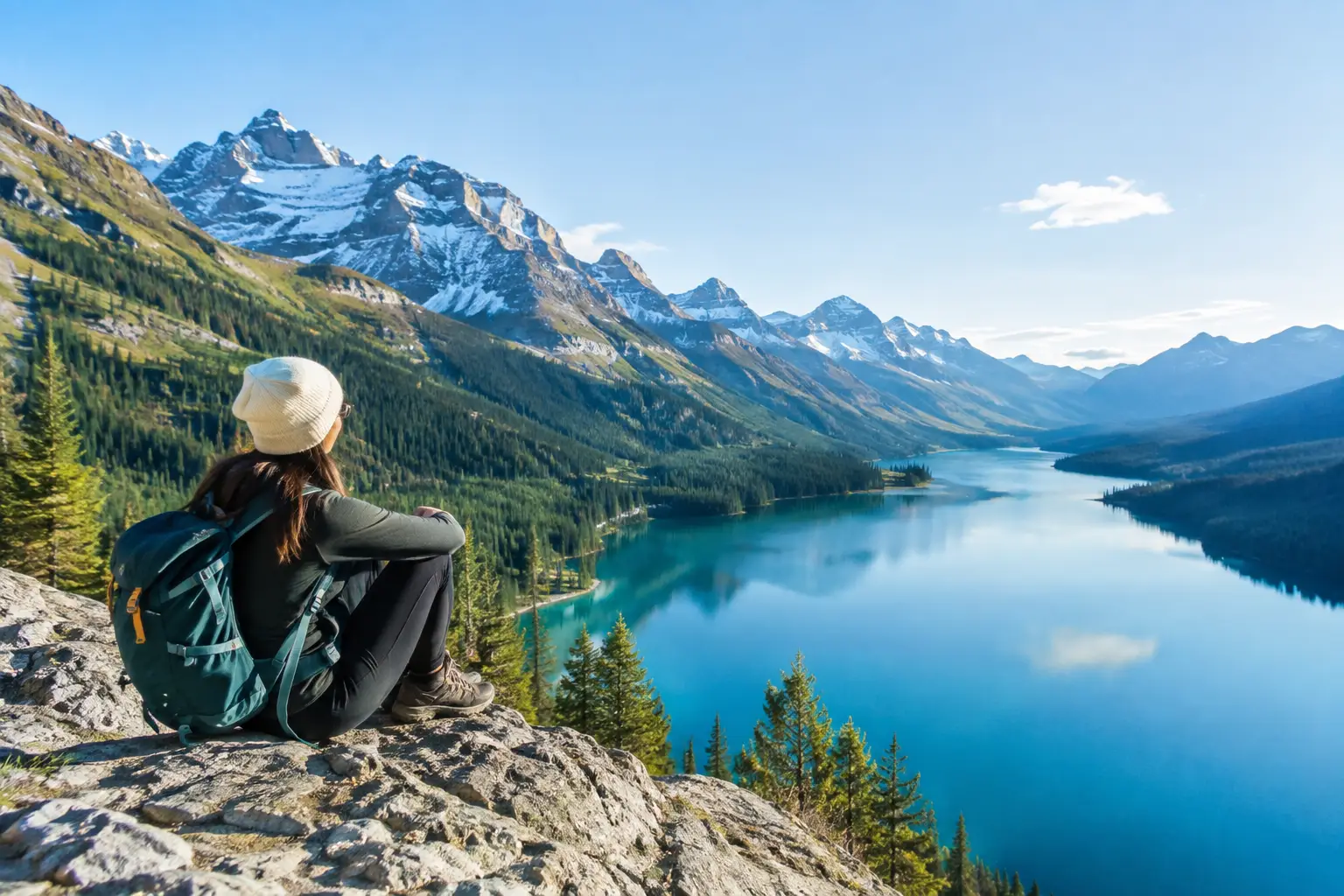
The most memorable wilderness journeys are rarely defined by how many animals you photograph or miles you cover. They are shaped by the hush before a gorilla steps through bamboo, the first sight of granite towers emerging from Patagonian clouds, or the moment a lion’s roar carries across the dark. The top national parks around the world offer these moments, but each asks for a different kind of traveler, pace, and preparation.
For discerning travelers, choosing a park is less about checking off a famous name and more about matching a landscape to the experience you want to carry home. These 12 parks stand apart for extraordinary wildlife, access to exceptional guides and lodges, and the sense of true immersion they make possible.
Top National Parks Around the World for Meaningful Travel
Serengeti National Park, Tanzania
The Serengeti is safari at its most cinematic: immense grasslands, kopjes rising from the plains, and wildlife drama unfolding at every scale. The Great Migration is the headline, though timing matters. River crossings generally occur from roughly July through October, while the calving season in the southern Serengeti brings a different, deeply moving concentration of life from January into March.
A private guide and a thoughtfully positioned camp matter more here than a packed itinerary. Staying several nights in one region allows for unhurried game drives, quiet sundowners, and the rare luxury of following a leopard or elephant herd without watching the clock.
Volcanoes National Park, Rwanda
In Rwanda’s mist-covered Virunga Mountains, gorilla trekking is intimate, demanding, and profoundly personal. The trek can be short or strenuous depending on the gorilla family’s location that day, but the hour spent in their presence has a gravity that few wildlife encounters can match.
Volcanoes National Park suits travelers who value conservation, comfort, and emotional depth over a traditional safari checklist. Refined lodges near the park make it possible to pair the physical adventure with restorative days, cultural encounters, and time to absorb what you have experienced.
Bwindi Impenetrable National Park, Uganda
Bwindi offers another exceptional opportunity to see mountain gorillas, set within a dense, ancient forest of steep ridges and birdsong. It is often the better choice for travelers who want to combine gorilla trekking with a broader Uganda itinerary that includes chimpanzees, savanna wildlife, or the source of the Nile.
The terrain can be more challenging than Rwanda’s, and road transfers require careful planning. In return, Bwindi feels wonderfully remote and offers a powerful sense of entering a world still governed by the forest.
Kruger National Park, South Africa
Kruger and the private reserves along its western boundary provide one of Africa’s most polished safari experiences. This is an excellent choice for first-time safari guests, multi-generational families, and travelers who want superb wildlife viewing without sacrificing lodge design, cuisine, or service.
The private-reserve model permits off-road tracking in designated areas and night drives, which can transform a good sighting into an extraordinary one. It is less untamed in feel than the Serengeti, but its consistency and accessibility are genuine advantages.
Torres del Paine National Park, Chile
Torres del Paine is Patagonia in full force: wind-shaped lenga forests, turquoise lakes, guanacos on open slopes, and the iconic Paine Massif commanding the horizon. You do not need to complete the famous multi-day treks to feel the park’s grandeur. Private guided walks, scenic drives, horseback riding, and boat excursions can be tailored to a range of abilities.
Weather changes quickly and dramatically, so a flexible itinerary is essential. The reward is a place that feels elemental, especially when explored with enough time to let clear mornings and stormy afternoons tell different versions of the same landscape.
Galapagos National Park, Ecuador
The Galapagos National Park is best experienced from a small expedition vessel, where each day brings a new island, landing, or snorkeling site. Sea lions, marine iguanas, giant tortoises, and blue-footed boobies are astonishingly unconcerned by human presence, creating close encounters that feel almost impossible elsewhere.
Ship choice defines the journey. Some travelers prefer a more intimate yacht with fewer guests; others prioritize larger cabins, more stability, or a particular route. A few days in mainland Ecuador before or after the cruise can add cultural dimension to this remarkable natural voyage.
Iguazu National Park, Argentina
Iguazu is not a park to rush through between flights. On the Argentine side, trails weave through subtropical rainforest toward a vast network of falls, culminating at the thunderous Devil’s Throat. Early access and a well-paced private visit can reveal quieter moments before the busiest hours.
Pairing Argentina’s park with Brazil’s panoramic viewpoints provides the full visual story. The setting also works beautifully as a restorative interlude within a larger South American journey, perhaps between Buenos Aires, Patagonia, and the wine country.
Fiordland National Park, New Zealand
Fiordland feels vast even from the water. Its glacier-carved valleys, sheer cliffs, waterfalls, and mirror-dark inlets are a defining feature of New Zealand’s South Island. Milford Sound is deservedly famous, but a private or small-vessel experience in Doubtful Sound offers a deeper sense of solitude.
The region rewards travelers who leave room for weather. Rain is not a disappointment here; it brings hundreds of temporary waterfalls cascading down the rock faces. A stay at a thoughtful wilderness lodge makes the journey feel less like sightseeing and more like inhabiting the landscape.
Komodo National Park, Indonesia
Komodo brings together prehistoric-looking dragons, coral-rich waters, and the luminous islands of the Indonesian archipelago. A private phinisi-style vessel is the most elegant way to explore, allowing days to unfold between dragon walks, snorkeling with manta rays, and quiet anchorages beneath star-filled skies.
Conditions at sea and the seasonal movement of marine life influence route planning. For travelers who enjoy active days and value the privacy of a small ship, Komodo can be a compelling addition to a wider Indonesia itinerary.
Kakadu National Park, Australia
Kakadu is shaped as much by Indigenous culture as by its wetlands, escarpments, and wildlife. Ancient rock art sites offer a profound perspective on a living cultural landscape, while boat safaris through the billabongs reveal crocodiles and abundant birdlife.
The wet and dry seasons create very different journeys. The dry season offers easier access and classic wildlife viewing, while the wet season brings dramatic storms, swollen waterfalls, and fewer visitors. A knowledgeable local guide is essential for understanding the park beyond its scenery.
Banff National Park, Canada
Banff offers an accessible expression of the Canadian Rockies, with glacial lakes, dramatic peaks, and fine mountain hospitality close at hand. The key is avoiding the temptation to chase every famous viewpoint. A private sunrise visit to Lake Louise, a guided walk in a quieter valley, or an evening wildlife excursion can make the experience feel far more personal.
Summer is ideal for hiking and alpine color, while winter lends itself to skiing, snowshoeing, and fireside comfort. Banff pairs naturally with Jasper or a luxury rail journey through the Rockies.
Aoraki/Mount Cook National Park, New Zealand
At Aoraki/Mount Cook, the Southern Alps rise sharply above braided rivers and glacier-fed lakes. The park is especially rewarding for travelers drawn to landscapes rather than long daily treks. Gentle valley walks, glacier experiences, and superb stargazing reveal its scale without requiring mountaineering expertise.
A stay nearby lets you experience the evening light on Aoraki and the remarkable dark skies of the region. Combined with Fiordland, this is a compelling finale to a South Island journey designed around nature, food, and unhurried exploration.
How to Choose the Right National Park Journey
There is no universal best season or best park. A traveler seeking the drama of predators and migration may be better served by Tanzania than South Africa, while someone prioritizing elegant lodge time and easy logistics may prefer Kruger. Gorilla trekking calls for a willingness to walk on uneven terrain; Galapagos rewards comfort with small-ship travel; Patagonia demands flexibility around weather.
The most successful itinerary also protects against fatigue. Pair demanding wildlife or trekking days with restorative stays, choose accommodations that reduce unnecessary transfers, and allow at least three nights in major wilderness regions whenever possible. The rhythm of a journey is often what turns an impressive trip into a lasting one.
When a national park becomes part of a bespoke itinerary, it is no longer simply a place on a map. It becomes the setting for a story that could belong only to you. Give the experience enough time, choose guides who deepen every encounter, and leave space for the unscripted moments that no itinerary can promise but the wild so often provides.
Leave a Reply