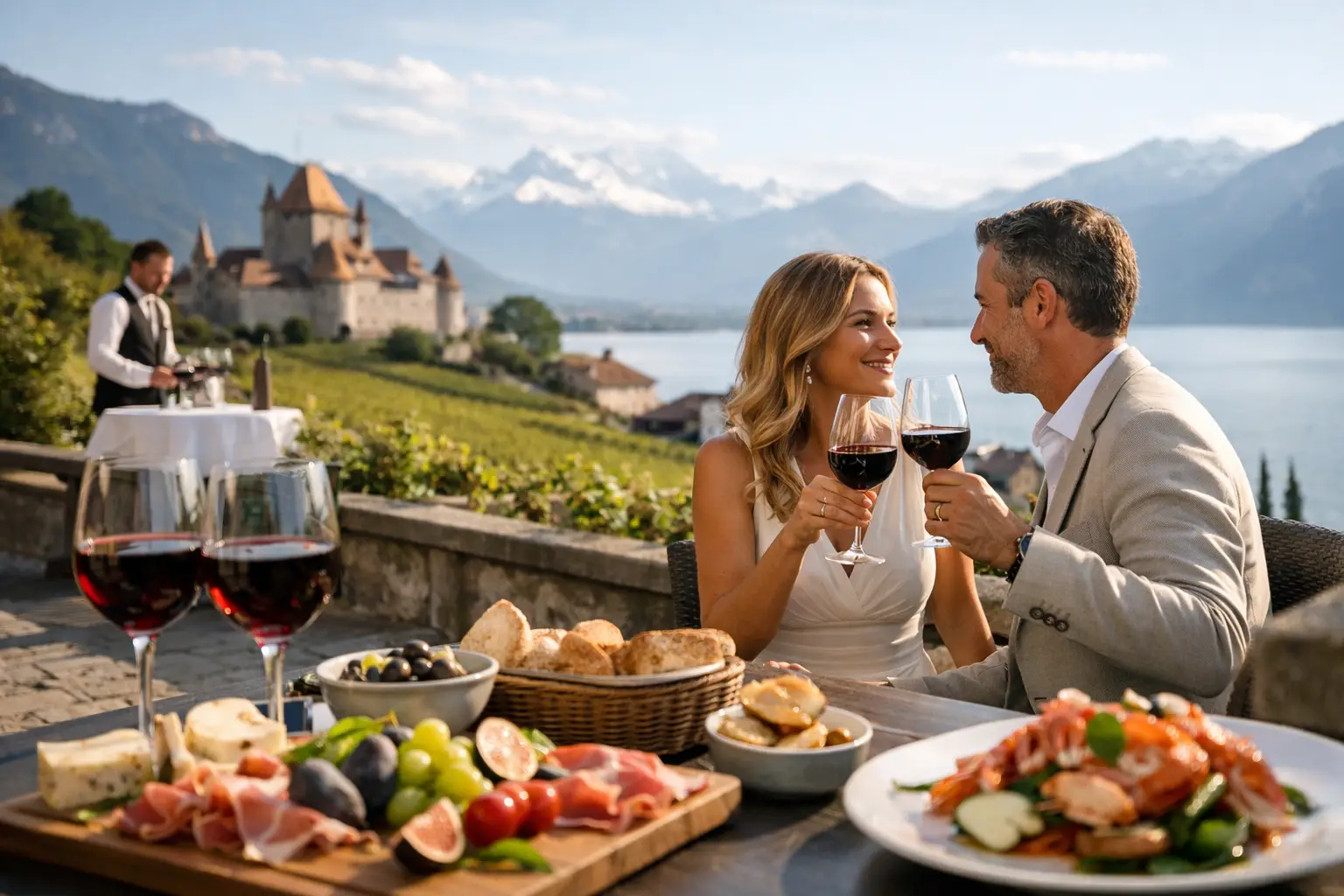
The most memorable luxury food & wine tours across Europe rarely begin in a famous dining room. They begin at a family table in Piedmont, in a centuries-old Champagne cellar before the doors open, or beside a Provençal market stall as a chef chooses the morning’s produce. For travelers who have seen Europe’s grand landmarks, food and wine offer something more personal: a way to understand a place through the people who preserve its traditions.
A thoughtfully designed culinary journey is not about collecting reservations or tasting the most labels in the shortest time. It is about pacing, access, and meaningful context. The right itinerary leaves room for a long lunch, an unplanned conversation with a vintner, and the pleasure of arriving at a beautiful hotel with nothing left to manage.
What Makes a European Culinary Journey Truly Luxurious
Luxury in food and wine travel is often mistaken for exclusivity alone. A coveted table and a rare vintage can be remarkable, but they matter most when they suit the traveler. One couple may want a private cooking lesson in a Tuscan villa followed by an evening at a celebrated restaurant. Another may prefer quiet mornings in Burgundy, appointments with small domaines, and relaxed bistro meals that reflect the region as honestly as its grandest cellars.
The most rewarding journeys are shaped around these distinctions. They balance acclaimed names with producers whose work is too small-scale to find in a guidebook. They pair exceptional accommodations with locations that make the experience feel effortless: a vineyard retreat among the vines, a historic palazzo within walking distance of a market, or an intimate river ship that arrives in wine country without requiring daily packing and transfers.
Private access changes the texture of a trip. A tasting conducted by an estate owner, a walk through an olive grove with the producer, or a conversation with a cheesemaker offers perspective that a standard tour cannot replicate. This is especially valuable in Europe, where food traditions are rooted in family histories, local regulations, weather, and land passed down over generations.
Choosing the Right Regions for Your Palate
Europe’s celebrated culinary regions are wonderfully different, which is why an itinerary should be focused rather than overly ambitious. Trying to cover too much geography can turn an experience meant for savoring into a series of transfers.
France: Precision, Place, and the Art of the Table
France rewards travelers who appreciate detail. In Champagne, private estate visits reveal the distinction between grand houses and grower-producers, while a tailored tasting can illuminate why chalk soils and patient aging matter. Burgundy is more intimate and nuanced, with village names, individual vineyards, and family domaines offering a deep sense of place.
For a broader culinary experience, Provence combines rosé, olive oil, truffles, market culture, and luminous countryside. Bordeaux, meanwhile, suits travelers interested in historic châteaux, polished hospitality, and the complexity of the Left and Right Banks. The best choice depends less on reputation than on whether your interests lean toward cellar craft, regional cuisine, architecture, or rural life.
Italy: Generosity and Regional Identity
Italy is ideal for travelers who want food woven naturally into every day. Tuscany offers its familiar pleasures – Brunello, Chianti Classico, pecorino, and seasonal cooking – but it also rewards those willing to venture beyond the most crowded routes. A private visit with a Brunello producer in Montalcino can be followed by a lunch centered on handmade pasta, local olive oil, and wines selected for the meal rather than the tasting room.
Piedmont is a superb choice for serious wine lovers. Barolo and Barbaresco are the headline acts, yet the pleasures extend to hazelnuts, white truffles in season, Barbera, and elegant village restaurants. In Emilia-Romagna, the story shifts to Parmigiano Reggiano, traditional balsamic vinegar, prosciutto, and pasta craftsmanship. It is a region where a morning at a dairy can be as compelling as a tasting at a prestigious winery.
Spain and Portugal: Energy, Tradition, and Discovery
Spain offers exceptional range. In Rioja, historic cellars and contemporary architecture create a fascinating contrast. The Basque Country adds pintxos culture, coastal ingredients, and some of Europe’s most exciting dining. Andalusia brings sherry, jamón, tapas, and a distinctive Moorish-influenced culinary heritage.
Portugal remains particularly appealing for travelers seeking great depth without the sense that every experience has been polished for mass tourism. Porto provides a natural introduction to the Douro Valley, where terraced vineyards, river views, and intimate quintas create an unforgettable setting. Lisbon and the Alentejo add seafood, wines of increasing distinction, and a warm, unhurried rhythm.
The Experiences Worth Building Around
A well-curated itinerary needs a few anchor moments, but it should not be scheduled down to the minute. The goal is to create a journey that feels generous rather than performative.
A private market visit with a chef is often one of the most revealing experiences in any region. It introduces seasonal ingredients, local habits, and the quiet rituals of everyday life. When followed by a hands-on cooking class or lunch in a private home, it becomes more than an activity. It offers a genuine connection to the culture behind the cuisine.
Winery visits deserve the same selectivity. Large, famous estates can be worthwhile for their history and setting, but smaller producers often provide the more personal encounter. A balanced itinerary may include both: one renowned property that reflects a region’s legacy, and a family-run estate where the person pouring the wine also farms the vines.
Timing can make an enormous difference. Autumn harvest visits offer energy and anticipation, though wineries are busy and appointments must be handled carefully. Truffle season in Piedmont is extraordinary, but demand for the best tables and accommodations rises sharply. Spring brings green vineyards, market abundance, and generally gentler crowds. Each season has its advantages, and a knowledgeable advisor can match the journey to the experiences that matter most to you.
Why Pace Matters More Than a Longer Itinerary
Discerning travelers often have the means to add another city or region. The question is whether it improves the journey. A three-night stay in one wine region usually offers more than one rushed night in each of three places. You have time to settle in, return to a favorite café, enjoy a leisurely dinner, and let local guides adjust plans when an unexpected opportunity appears.
This is where concierge-level planning becomes essential. Restaurant reservations must reflect not only reputation but also location, pacing, and your preferences. Private drivers should make a day feel relaxed, not formal or overmanaged. Guides need the judgment to know when to share expertise and when to step back so a private meal or vineyard walk can simply unfold.
There are practical considerations as well. Many revered European wine regions are rural, with winding roads and limited late-night transportation. Private transportation makes it possible to enjoy tastings responsibly while preserving comfort and flexibility. For travelers who prefer unpacking once, a luxury river cruise can offer a compelling alternative in regions such as Bordeaux, the Rhône Valley, or the Douro, particularly when enhanced with private shore experiences before or after sailing.
A Journey Designed Around You
The best luxury food and wine tours do not follow a fixed formula. They begin with questions: Do you collect wine, cook at home, seek Michelin-starred dining, or prefer simple regional dishes made exceptionally well? Is this a milestone anniversary, a trip with close friends, or a long-awaited return to a country you already love? Would you rather linger in two regions or create a wider journey through France, Italy, and Spain?
At Dream Vacations – Matt Boshcka, those answers shape every detail, from the character of your accommodations to the people you meet at the table. The aim is not to impress with an overfilled itinerary. It is to create the rare kind of travel experience that feels deeply personal while being impeccably cared for.
Choose the region that has been calling to you, leave enough space to savor it, and let the journey be measured not by the number of tastings, but by the stories that remain long after the last bottle is opened.
Leave a Reply